

Oaxaca Seasons Guide: Dry vs Wet Season – Best Time for Tours, Festivals & Activities
Understanding Oaxaca’s Two Main Seasons
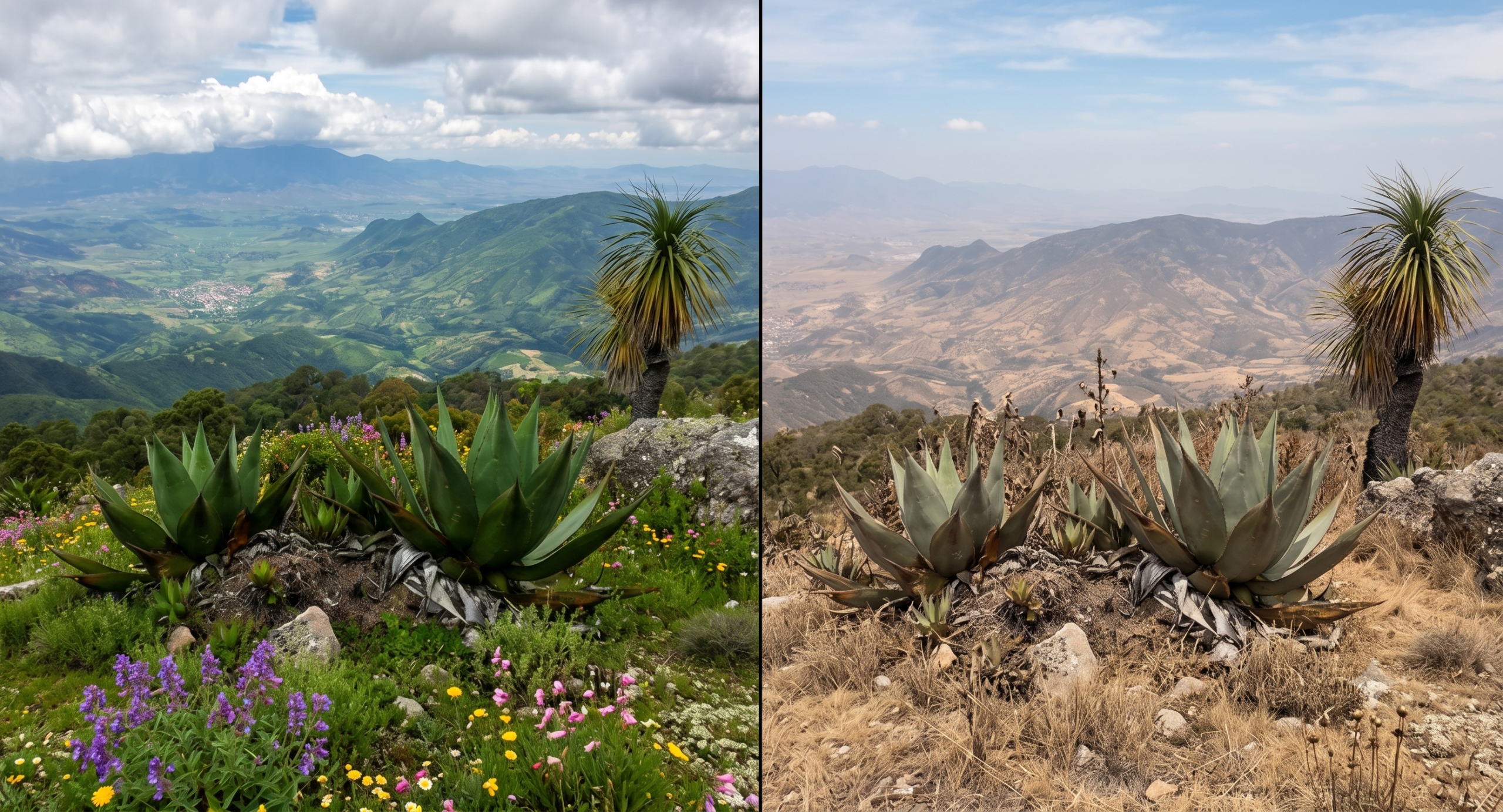
Oaxaca enjoys a subtropical highland climate with two clearly defined seasons that dramatically influence the landscape, activities, and overall visitor experience. The dry season typically runs from November through April, bringing mostly sunny days and very little rainfall. The wet season, also known as the rainy season, lasts from May through October and features frequent afternoon or evening showers that usually clear quickly. These seasonal shifts affect everything from hiking conditions and photography opportunities to festival timing and even the vibrancy of local markets and cuisine. Choosing the right season can transform your trip from good to unforgettable.
The Dry Season (November to April)
This is by far the most popular period for visitors to Oaxaca. Skies are generally clear, temperatures are pleasant during the day (usually 75–85°F / 24–29°C), and nights can be cool, sometimes requiring a light jacket. Rainfall is minimal, making it the most reliable time for outdoor plans. The landscape takes on golden and earthy tones as vegetation dries out.
Pros: Excellent conditions for hiking, visiting archaeological sites, and photography; significantly fewer mosquitoes; roads and trails stay in good condition; peak season for major cultural events; comfortable temperatures for long days of exploration.
Cons: Higher accommodation and tour prices, especially from December through March; popular sites can feel crowded; landscapes appear drier and less lush compared to the wet months; late March and April can bring hotter daytime temperatures before the rains begin.
Key Festivals: The season kicks off with the vibrant and deeply meaningful Día de los Muertos celebrations from late October through early November, featuring altars, parades, and cemetery visits across the city and surrounding villages. December brings the whimsical Noche de Rábanos (Night of the Radishes) on the 23rd, where artisans carve oversized radishes into elaborate scenes. Christmas posadas, New Year celebrations, and various local patron saint festivals continue the festive spirit through the winter months.
The Wet Season (May to October)
Often misunderstood as a time to avoid, the wet season offers its own distinct charms. Afternoon showers typically arrive in the late afternoon or early evening and rarely last all day. Temperatures are warmer (80–88°F / 27–31°C) with higher humidity, but the landscape explodes with lush green vegetation, making the countryside look dramatically more vibrant. Rivers and waterfalls carry more water, creating spectacular natural displays.
Pros: Lush, photogenic green scenery that makes for stunning landscape photos; significantly lower hotel rates and tour prices; fewer international tourists; dramatic waterfalls and fuller swimming holes at natural sites; a more local, authentic atmosphere in many areas.
Cons: Rain can occasionally disrupt outdoor plans or make some trails muddy and slippery; higher humidity and increased mosquito activity in some areas; occasional heavy downpours that may require flexible scheduling.
Key Festivals: The highlight is the world-famous Guelaguetza, held on the last two Mondays of July. This spectacular indigenous celebration features colorful traditional dances, music, and costumes from communities across Oaxaca. Other notable events include Independence Day festivities in mid-September and numerous regional saint day celebrations that bring music, food, and community gatherings throughout the summer months.
Best Season for Popular Tours and Activities
Here’s a clear breakdown of when to plan specific experiences with Luis Ramirez Tours or independently. The right timing can dramatically improve comfort, safety, and the quality of your experience.
Monte Albán Archaeological Site: The dry season is strongly recommended. Clear skies deliver excellent visibility across the valley, perfect lighting for photography, and dry paths that are easy to walk. The site feels more comfortable for extended exploration without the risk of slippery stones. In the wet season, light rain can make the ancient stones slick and reduce visibility on overcast days.
Hierve el Agua: The dry season is generally preferred for safety and comfort. Trails are firmer, less slippery, and easier to navigate, especially on the descent to the pools. However, the wet season offers more dramatic water flow cascading over the petrified waterfalls and deeper, fuller swimming pools. If visiting during the rains, start early in the day and wear sturdy, grippy shoes.
Sierra Norte Hiking and Pueblos Mancomunados: Dry season conditions are ideal. Trails remain in excellent shape, viewpoints offer clearer panoramas, and there is minimal risk of mud or sudden weather changes. The wet season brings beautiful lush greenery and fewer hikers, but trails can become muddy and some paths may be affected by rain, making the experience more physically demanding.
City Walking Tours, Markets, and Cultural Experiences: Both seasons work well for urban exploration. The dry season offers more predictable full-day itineraries without weather interruptions. The wet season often feels fresher after the afternoon rains, and markets can be especially lively with seasonal produce.
Coastal Beaches (Puerto Escondido, Mazunte, Zipolite, etc.): The dry season is best for reliable sunshine and swimming conditions. The wet season brings lower prices, fewer crowds, and dramatic stormy skies for photography, though rain can interrupt beach days.
Recommended Season Based on Your Travel Goals
Here’s a quick guide to help you choose the right season for what you want to experience most:
- Clear weather, hiking, ruins visits, and photography: Dry season (November–April)
- Experiencing major festivals like Guelaguetza: Wet season (specifically July)
- Day of the Dead celebrations and cultural depth: Dry season (late October–early November)
- Lush green landscapes and dramatic waterfalls: Wet season (June–September)
- Fewer crowds and better prices: Wet season (especially May–June or September–October)
- Comfortable outdoor adventures with minimal rain risk: Dry season
- Combining city exploration with nature: Either season, but dry offers more flexibility
- Beach relaxation and coastal activities: Dry season for consistent sunshine
- Food tours and market visits: Both seasons, though wet season features more seasonal produce
No matter which season you choose, Oaxaca delivers rich cultural and natural experiences. Luis Ramirez Tours specializes in creating personalized itineraries that adapt perfectly to the season, ensuring you enjoy the best weather, festivals, and landscapes available during your visit. Whether you prefer the reliable sunshine of the dry months or the vibrant greenery and festive energy of the wet season, we can help design the ideal trip for you.