

The Origins of Mezcal and Its Role in Modern Oaxacan Culture
Why Mezcal Feels Like the Soul of Oaxaca
In Oaxaca, mezcal is never just a spirit on a shelf. It appears at every important moment: weddings, baptisms, funerals, market days, and village fiestas. Families share it with guests as a gesture of hospitality, and it flows freely during the Guelaguetza and Day of the Dead celebrations. Its smoky aroma and earthy flavors carry stories of the land, the people, and centuries of tradition.
Today Oaxaca produces more than 90 percent of Mexico’s certified mezcal, and the drink has become a proud symbol of Oaxacan identity around the world.
Ancient Roots: Agave and Fermented Tradition
Long before the Spanish arrived, indigenous peoples of Oaxaca and other parts of Mesoamerica revered the agave plant, known locally as maguey. They used every part of it for food, fiber, medicine, and shelter. The fermented sap, called pulque, was already a sacred drink in pre-Hispanic times, linked to rituals and social gatherings.
The word “mezcal” itself comes from the Nahuatl “mexcalli,” meaning “oven-cooked agave,” referring to the traditional method of roasting the hearts of the plant in earthen pits.
The Birth of Distilled Mezcal
Distillation arrived in the colonial period, most likely in the late 1500s or early 1600s. Filipino migrants traveling on the Manila galleons brought simple clay-pot stills that were quickly adopted by indigenous communities along Mexico’s Pacific coast. These techniques merged with local knowledge of agave to create the first distilled mezcal.
By the early 17th century the drink was already being produced in Oaxaca. The first written references appear around 1608, and production spread through the Central Valleys and beyond, especially in areas with ideal growing conditions for agave.
Oaxaca Becomes the Heartland
The rugged terrain, diverse microclimates, and rich soil of Oaxaca proved perfect for dozens of agave species. Over time more than 30 varieties have been used, with espadín remaining the most common. Small family palenques, or traditional distilleries, sprang up in villages throughout the state, each guarding its own recipes, roasting methods, and fermentation secrets passed down through generations.
In 1994 Mexico granted mezcal a Denomination of Origin, officially recognizing Oaxaca as the primary region and protecting the traditional production methods that make the spirit unique.
Mezcal in Traditional Oaxacan Life
For centuries mezcal has played a central role in ceremonies and everyday hospitality. It is offered to guests, used in toasts at weddings and baptisms, and included in the ofrendas for Day of the Dead. In many villages it is still poured as part of prayers and rituals honoring the land and ancestors. The act of sharing a copita of mezcal strengthens family ties and community bonds.
Mezcal in Modern Oaxacan Culture
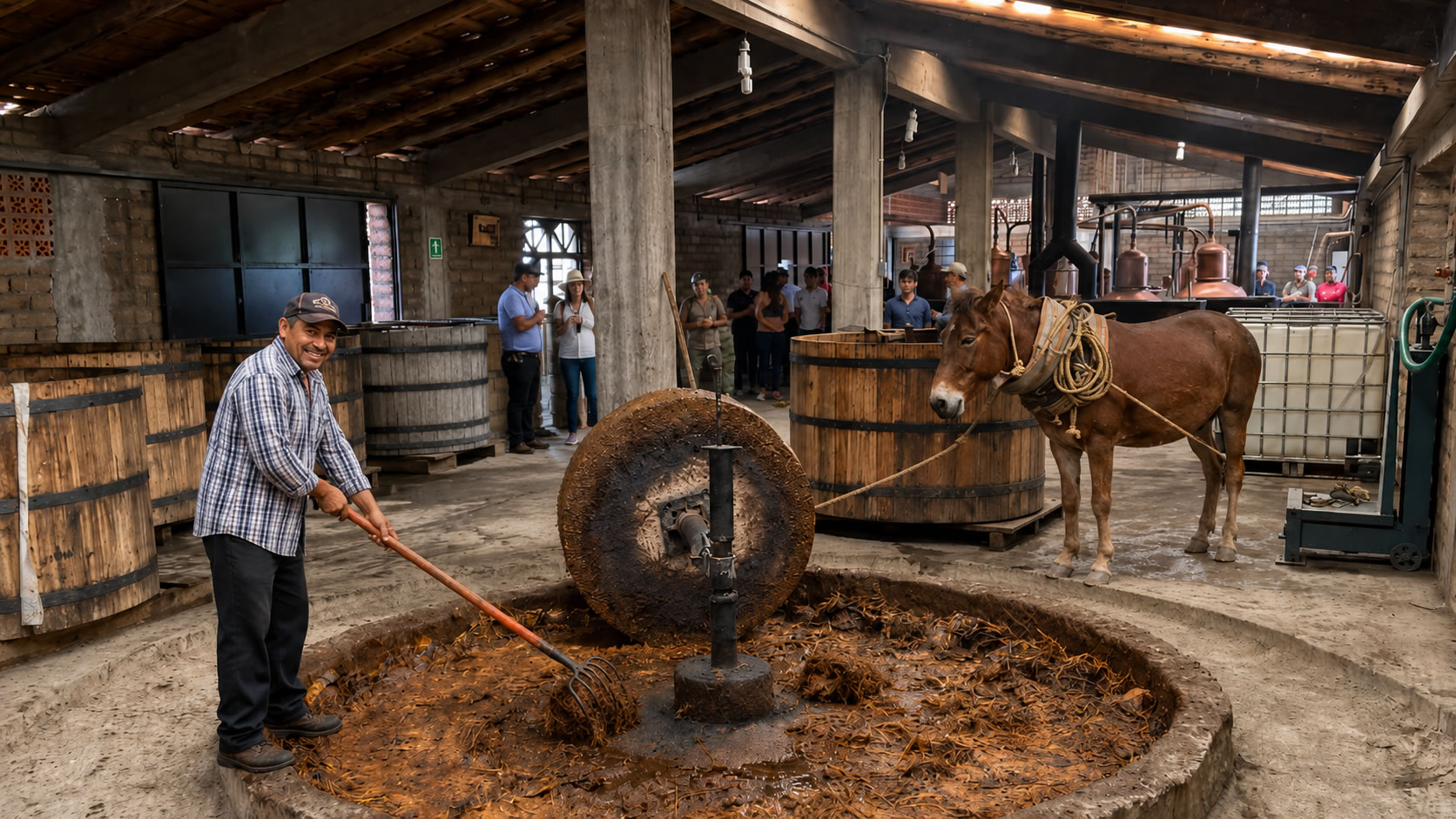
Today mezcal is experiencing a renaissance. The global demand for artisanal mezcal has brought new economic opportunities to rural communities while creating challenges around sustainability and overproduction. Young producers are experimenting with rare agave varieties and innovative aging techniques, yet many families continue the ancestral methods using clay pots and firewood.
Mezcal has also become a cornerstone of Oaxacan gastro-tourism. Visitors seek out palenques to meet the mezcaleros, learn the full process from field to bottle, and taste the difference between villages and varieties. It appears on high-end restaurant menus, in craft cocktails, and at cultural festivals, connecting Oaxaca’s deep heritage with contemporary creativity.
Discovering Mezcal with Luis Ramirez Tours
On our private tours we take guests to small, family-run palenques where the process is still done exactly as it has been for generations. You will see the agave roasting in earthen pits, smell the fermentation, and taste fresh mezcal straight from the still. We choose producers who respect the land and the traditions, so your experience is both authentic and responsible.
Whether you join a full-day mezcal and market tour or add a palenque visit to your itinerary, you will leave with a deeper appreciation for this remarkable spirit and the people who keep its story alive.
A Few Practical Tips for Enjoying Mezcal in Oaxaca
Sip slowly and responsibly. Mezcal is traditionally enjoyed neat in a small copita, often with a slice of orange and a pinch of sal de gusano. Start with milder espadín before moving to more complex varieties like tobala or cuishe. Always support certified producers and small family operations to help preserve the tradition for future generations.